How To Clean Tile Roof
A tiled roof can make a home look fresh, well-maintained, and cared for — but over time, it’s common for dirt, lichen, moss, algae, mould, and leaf build-up to take over. If your roof is starting to look stained, patchy, or weathered, roof cleaning can make a huge difference.
The key is doing it the right way. Tile roofs can absolutely be cleaned, but they also need to be handled with care to avoid cracked tiles, damaged pointing, or unnecessary water entry. In this guide, we’ll walk you through how to clean a tile roof safely and effectively, what to avoid, and when it’s best to call in the professionals.
Why Tile Roofs Get Dirty
Tile roofs are constantly exposed to the elements, so it doesn’t take long for grime and organic growth to build up.
Common causes of a dirty tile roof include:
- Moss and lichen growth
- Mould and algae
- Leaf litter and debris
- Dust and pollution
- Bird droppings
- Damp and shaded roof areas
- Moisture retention after rain
Homes surrounded by trees or located in humid or coastal areas are especially prone to roof staining and organic build-up.
Is It Safe To Clean A Tile Roof Yourself?
In some cases, light roof cleaning can be done yourself — but it comes with risks.
Cleaning a tile roof can be dangerous because:
- Roof tiles can be slippery when wet
- Moss and lichen make footing unstable
- Older tiles can crack under pressure
- Steep roof pitches increase fall risk
- Incorrect pressure washing can damage the roof
If your roof is heavily soiled, steep, fragile, or difficult to access, it’s usually safer and more effective to have it cleaned professionally.
What You’ll Need To Clean A Tile Roof
If you’re cleaning a tile roof yourself, it’s important to use the right equipment.
You may need:
- A sturdy ladder
- Roof safety harness
- Non-slip shoes
- Garden hose
- Soft wash or low-pressure cleaning system
- Roof-safe cleaning solution
- Safety glasses and gloves
- Leaf blower or broom
- Gutter cleaning tools
Avoid using harsh chemicals or extremely high-pressure equipment unless you know exactly what you’re doing.
Step 1: Inspect The Roof Before Cleaning
Before you begin, inspect the roof from the ground or safely from a ladder.
Look for signs of:
- Cracked or broken tiles
- Loose ridge capping
- Damaged pointing
- Sagging sections
- Heavy moss or lichen build-up
- Rust around flashings
- Blocked valleys or gutters
If your roof already has damage, cleaning it without repairs can sometimes make the issue worse. It’s always best to address obvious problems before starting.
Step 2: Remove Loose Debris First
Before washing the roof, clear away as much loose debris as possible.
This includes:
- Leaves
- Twigs
- Branches
- Dirt build-up
- Debris in roof valleys
- Gutter build-up
This step is important because it helps prevent blockages and makes the cleaning process much more effective.
You can do this with:
- A soft broom
- A leaf blower
- By hand (with gloves)
Be gentle while moving across the roof. Tile roofs are strong, but they can still crack if too much pressure is placed on the wrong area.
Step 3: Treat Moss, Lichen, And Algae
One of the biggest mistakes people make is trying to blast moss or lichen off the roof with excessive pressure.
This can:
- Damage the tile surface
- Dislodge pointing
- Crack older tiles
- Force water underneath the tiles
Instead, the best way to clean a tile roof is often to use a roof-safe treatment or soft wash solution first.
A proper roof cleaning treatment helps:
- Break down moss and lichen
- Kill mould and algae spores
- Lift staining
- Reduce regrowth
This is often sprayed across the roof and left to dwell for a set period before rinsing or further treatment.
Step 4: Use Low Pressure To Wash The Roof
Once the treatment has had time to work, the roof can usually be rinsed or cleaned using low pressure.
This is the safest method for most tile roofs because it helps remove grime without causing unnecessary damage.
When washing a tile roof:
- Work from the top down
- Use controlled, even pressure
- Avoid spraying upward under tiles
- Stay away from vulnerable ridge capping areas
- Don’t concentrate pressure in one spot for too long
While some professionals may use pressure washing as part of the process, it should always be done carefully and with the right equipment. Tile roofs are not something you want to aggressively blast without experience.
Step 5: Clean Out The Gutters Afterwards
Roof cleaning almost always pushes debris, dirt, moss, and grime into the gutters.
That’s why gutter cleaning should always be done after the roof has been cleaned.
Blocked gutters can lead to:
- Overflowing water
- Fascia damage
- Water backing up under roofing
- Foundation drainage issues
- Staining around the home
Once the roof is clean, make sure your gutters and downpipes are cleared so rainwater can flow away properly.
Step 6: Check For Damage After Cleaning
Once the roof is cleaned, it’s a good idea to inspect it again.
Cleaning often makes it easier to spot issues that were hidden under grime and moss.
Look for:
- Cracked tiles
- Loose ridge caps
- Worn pointing
- Exposed bedding
- Damaged valleys
- Areas of water staining
If any issues are found, it’s best to organise repairs before they turn into leaks or larger restoration work.
Should You Pressure Wash A Tile Roof?
This is one of the most common questions homeowners ask — and the answer is: sometimes, but carefully.
Pressure washing a tile roof can be effective, but it needs to be done properly.
Used incorrectly, high-pressure cleaning can:
- Strip protective coatings
- Crack tiles
- Damage mortar and pointing
- Push water into the roof cavity
- Shorten the life of your roof
That’s why many professionals use a combination of:
- Roof treatment
- Soft washing
- Controlled low-pressure cleaning
This approach usually delivers a better result while reducing the risk of damage.
How Often Should You Clean A Tile Roof?
How often a tile roof should be cleaned depends on your location and the conditions around your home.
As a general guide, most tile roofs benefit from cleaning every few years, or sooner if there is heavy moss, mould, or debris build-up.
You may need more frequent cleaning if your home is:
- Surrounded by trees
- In a damp or shaded area
- Near the coast
- In a humid climate
- Prone to moss and lichen growth
Regular maintenance can help extend the life of your roof and reduce the chance of bigger roofing issues later on.
Signs Your Tile Roof Needs Cleaning
Not sure if it’s time to clean your roof? There are usually some clear warning signs.
These include:
- Black stains on the tiles
- Green moss patches
- White lichen spots
- Visible mould or algae
- Overflowing gutters with roof debris
- A dull, aged appearance
- Water not draining properly off the roof
If your roof is looking tired from the street, chances are it could benefit from a proper clean.
Why Professional Roof Cleaning Is Often Worth It
While DIY roof cleaning might sound manageable, professional roof cleaners know how to clean tiled roofs without causing unnecessary damage.
A professional service can often include:
- Roof inspection
- Moss and lichen treatment
- Safe roof access
- Low-pressure cleaning
- Gutter cleaning
- Identification of roof issues
- Advice on whether repairs or restoration may be needed
For many homeowners, it’s the safest and most effective way to get the roof cleaned properly.
Conclusion
If you’re wondering how to clean a tile roof, the best approach is always a careful one. Start by removing debris, treating moss and lichen, and using low-pressure methods rather than aggressive washing. Just as importantly, make sure your gutters are cleaned afterwards and check the roof for any signs of damage once the job is done.
A clean tile roof doesn’t just improve the look of your home — it can also help protect the roof, improve drainage, and prevent long-term issues caused by built-up organic growth. If your roof is heavily stained, difficult to access, or showing signs of wear, getting it professionally cleaned is often the smartest move.
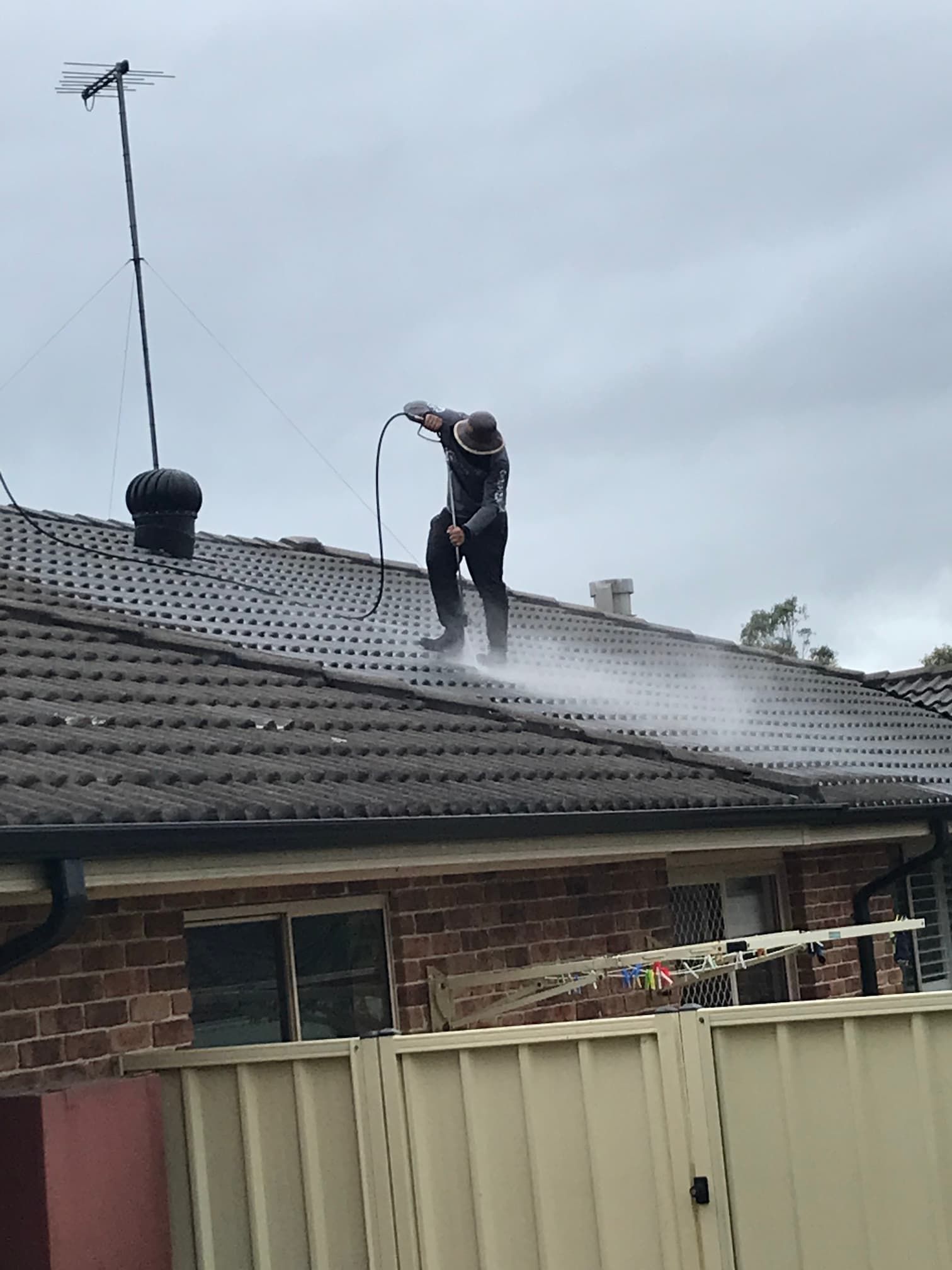
Written by Nick from Skibo Southwest Roofing
Nick's been in the roofing game for more than 15 years and has extensive experience in everything from new roofs to reroofing, roof restorations, roof painting, roof repairs and much more.