
How To Repair Roof Leak
A roof leak might seem like a small issue at first, but it can quickly lead to major damage if it’s not repaired properly. Water entering through your roof can damage plaster, insulation, electrical wiring, timber framing, and even lead to mould growth inside your home. The longer it’s left, the more expensive the problem usually becomes.
The tricky part is that roof leaks are not always straightforward. In some cases, the source is obvious, such as a cracked tile or overflowing gutter. In other situations, water can travel through the roof cavity before showing up inside your home, making it much harder to trace.
If you’ve discovered a leak in your roof, it’s important to act quickly. In this guide, we’ll explain how to repair a roof leak, the most common causes of leaks, what temporary steps you can take, and when it’s best to call a professional roofer.
Start By Finding The Source Of The Leak
Before you can repair a roof leak properly, you need to find where the water is getting in. This is often the hardest part because the spot where you see water inside is not always directly below the actual problem on the roof.
Common Signs Of A Roof Leak
Some of the most common signs include:
- Water stains on ceilings or walls
- Bubbling paint
- Damp patches
- Dripping water during rain
- Mould or mildew smells
- Sagging plasterboard
- Wet insulation in the roof cavity
If possible, inspect the affected room and then trace the problem back into the roof cavity using a torch. Look for damp insulation, water stains on timber, or light shining through gaps in the roof.
Common Causes Of Roof Leaks
Roof leaks can happen for a number of reasons, especially on older roofs or after severe weather.
Broken Or Cracked Roof Tiles
A cracked, broken, or slipped roof tile is one of the most common causes of a leaking tiled roof. Even a small crack can allow water to get underneath and into your roof space.
Damaged Roof Flashing
Flashing is the metal material installed around chimneys, skylights, vents, and roof valleys. If flashing is rusted, lifted, cracked, or poorly sealed, water can enter through these weak points.
Cracked Ridge Capping Or Pointing
On tiled roofs, ridge caps are secured with bedding and pointing. Over time, these materials can crack and deteriorate, allowing water in.
Blocked Gutters Or Downpipes
If gutters are full of leaves and debris, rainwater can overflow and back up under the roof edge, causing leaks.
Rusted Or Damaged Roof Valleys
Roof valleys are where two roof sections meet and direct water into the gutters. These areas handle a lot of runoff and are a common place for leaks to develop.
Poorly Sealed Roof Penetrations
Skylights, solar panels, antennas, vents, and exhaust fans can all become leak points if they are not sealed correctly.
How To Temporarily Stop A Roof Leak
If your roof is leaking and you can’t repair it straight away, there are a few temporary things you can do to minimise the damage until proper repairs are carried out.
Short-Term Steps You Can Take
- Place a bucket or container under the leak
- Move furniture and valuables out of the area
- Use towels to soak up excess water
- Poke a small hole in a bulging ceiling to release trapped water carefully
- Cover exposed roof areas with a tarp if safe to do so
These are only temporary measures and should not replace a proper roof repair.
How To Repair A Leaking Roof Tile
If the leak is caused by a broken or cracked roof tile, repairing or replacing the tile is often the solution.
Step 1: Inspect The Damaged Tile
Carefully inspect the roof for any cracked, chipped, missing, or slipped tiles. Sometimes damage is obvious, while other times it may be more subtle.
Step 2: Remove The Broken Tile
A roofer will gently lift the surrounding tiles and slide the damaged tile out without disturbing the surrounding area.
Step 3: Install A Replacement Tile
A new tile is fitted into place and aligned correctly to ensure proper water runoff.
Important Note
Walking on tiled roofs can easily cause further breakages and can be dangerous if you’re not experienced, so this is usually best left to a professional.
How To Repair Leaking Roof Flashing
If the leak is coming from flashing around a chimney, skylight, vent, or wall junction, the flashing may need to be resealed, repaired, or replaced.
Flashing Repair May Involve
- Resealing gaps with roofing sealant
- Refixing loose flashing
- Replacing rusted or damaged sections
- Reinstalling flashing correctly
Because flashing needs to direct water away from vulnerable roof joins, it’s important that repairs are done properly to avoid ongoing leaks.
How To Repair Roof Ridge Caps
If cracked ridge capping or deteriorated pointing is causing the leak, roof repointing or rebedding may be required.
What This Repair Usually Involves
- Removing loose or damaged pointing
- Replacing cracked mortar if needed
- Applying fresh flexible pointing compound
- Securing any loose ridge caps
This restores the watertight seal along the roof ridge and helps prevent further water ingress.
How To Repair A Roof Leak Caused By Gutters
Sometimes the leak is not from the roof covering itself but from blocked or damaged gutters.
Gutter Repairs May Include
- Clearing leaves and debris
- Flushing downpipes
- Resealing leaking joints
- Repairing rust holes
- Adjusting fall for better drainage
If gutters are overflowing every time it rains, this can force water back into the roof line and create leaks that appear to be roofing issues.
How To Repair Roof Valleys
Roof valleys are one of the most common areas for leaks because they carry a large volume of rainwater.
Valley Repairs May Include
- Removing debris and build-up
- Replacing rusted valley iron
- Resealing joins
- Correcting poor installation
If your leak is near a valley or in a room beneath one, this area should be inspected carefully.
What If You Can’t Find The Leak?
Sometimes the leak is not obvious even after checking tiles, flashing, gutters, and valleys. This is because water can travel inside the roof before becoming visible.
Why Roof Leaks Can Be Difficult To Trace
Water may run:
- Along roof battens
- Down rafters
- Across insulation
- Around flashing
- Along ceiling joists
This means the leak source could be several metres away from where the water appears inside.
In these cases, professional leak detection is often the quickest and most accurate solution.
Can You Use Roof Sealant To Fix A Leak?
Roof sealant can sometimes help with minor issues, but it is not always a proper long-term repair.
When Sealant May Help
Sealant may be useful for:
- Small gaps in flashing
- Minor cracks in seals around roof penetrations
- Temporary emergency patching
When Sealant Is Not Enough
Sealant will not properly fix:
- Broken roof tiles
- Failed ridge capping
- Rusted valleys
- Major flashing issues
- Structural roof problems
Using sealant as a quick fix without addressing the real cause can often just delay the proper repair.
Why DIY Roof Leak Repairs Can Be Risky
While some homeowners are tempted to get up on the roof and fix the issue themselves, roof repairs can be dangerous and easy to get wrong.
Risks Of DIY Roof Repairs
- Falling from height
- Breaking more tiles
- Damaging flashing or roofing materials
- Making the leak worse
- Missing the real cause of the problem
Roof work should always be approached carefully, especially if the roof is steep, wet, or difficult to access.
When To Call A Professional Roofer
There are times when it makes much more sense to have a qualified roofer handle the repair.
Call A Roofer If:
- You can’t safely access the roof
- The leak keeps returning
- The source is unclear
- There is damage to flashing, valleys, or ridge caps
- Water is entering multiple areas of the home
- You suspect storm or structural damage
A professional roofer can inspect the roof properly, diagnose the exact cause, and carry out repairs that are designed to last.
How To Prevent Roof Leaks In Future
The best way to avoid roof leaks is with regular maintenance and early intervention.
Roof Maintenance Tips
- Clean your gutters regularly
- Replace cracked or broken tiles promptly
- Check your roof after storms
- Have flashing and ridge caps inspected
- Trim overhanging branches
- Book regular roof inspections
Preventative maintenance is much cheaper than dealing with water damage after a leak has already caused problems.
Conclusion
Repairing a roof leak starts with finding the real source of the problem. Whether it’s a cracked tile, damaged flashing, worn ridge capping, blocked gutters, or a rusted valley, the key is to address it properly before the damage spreads.
Some minor issues can be temporarily managed, but long-term roof leak repairs should always focus on the actual cause rather than just the symptoms. If you’re not sure where the leak is coming from or don’t feel safe getting on the roof, it’s always best to bring in a professional.
A leaking roof is never something to ignore. The sooner it’s repaired, the easier and more affordable it usually is to fix — and the better protected your home will be.
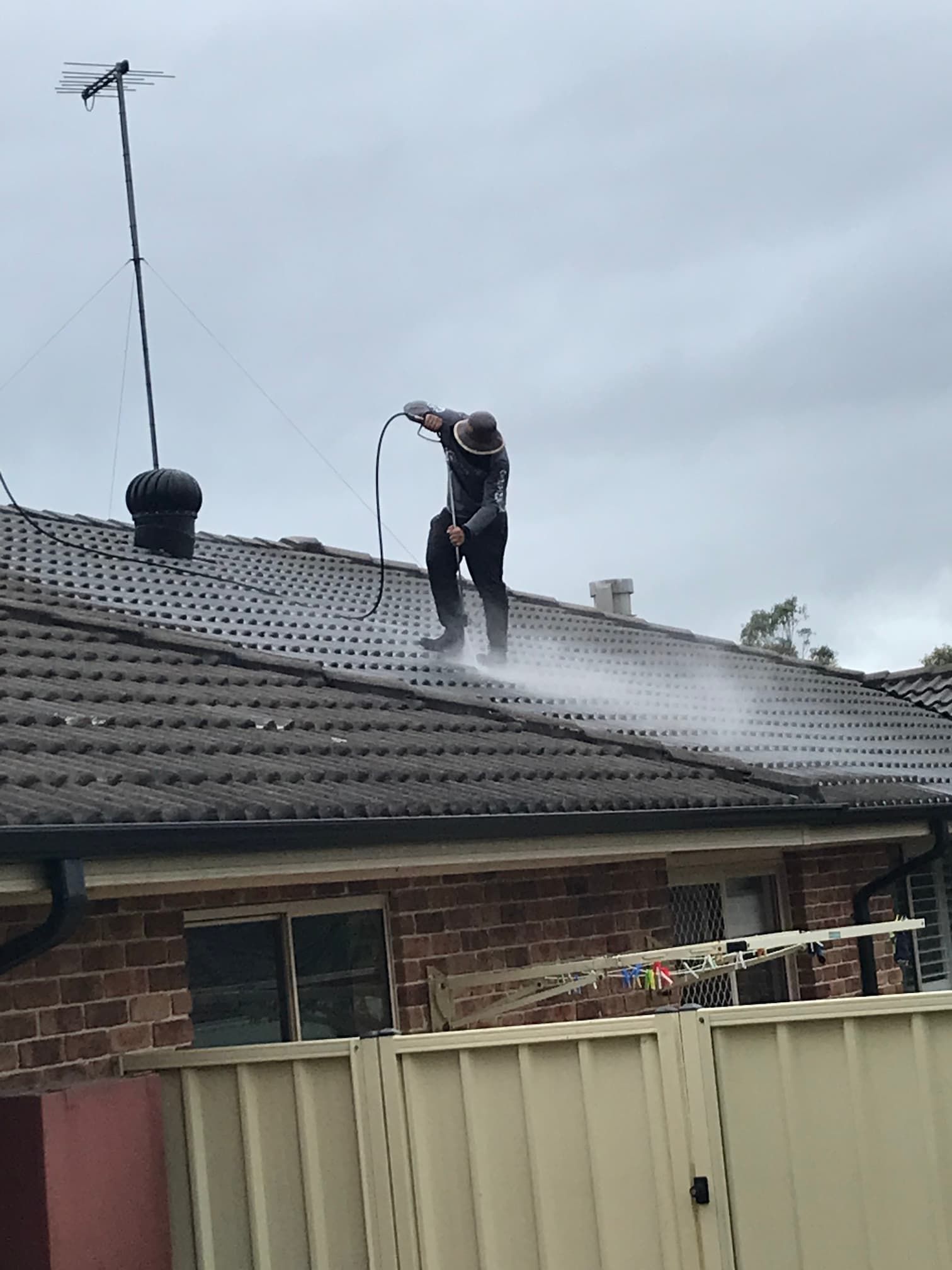
Written by Nick from Skibo Southwest Roofing
Nick's been in the roofing game for more than 15 years and has extensive experience in everything from new roofs to reroofing, roof restorations, roof painting, roof repairs and much more.