Roof Restorations vs New Roofs vs Re-Roofs
If your roof is starting to show its age, it’s natural to wonder what the best next step is. Should you restore it, replace it completely, or opt for a re-roof? For many homeowners, the challenge isn’t just the cost — it’s understanding the difference between each option and knowing which one actually suits the condition of the roof.
The truth is, not every ageing roof needs to be fully replaced. In many cases, a roof restoration can breathe new life into the roof and significantly extend its lifespan. In other situations, a re-roof or full new roof is the smarter long-term investment. The right choice depends on the age of the roof, the level of damage, your budget, and your plans for the property.
In this guide, we’ll break down the differences between roof restorations, re-roofs, and new roofs, explain when each option is appropriate, and help you understand which solution may be best for your home.
What Is A Roof Restoration?
A roof restoration is essentially a major refresh for your existing roof. Rather than replacing the entire roofing system, a restoration focuses on repairing, cleaning, sealing, and recoating the current roof to improve its appearance, weather resistance, and lifespan.
Roof restorations are commonly completed on tiled roofs and some metal roofs, depending on their condition.
What Does A Roof Restoration Usually Include?
A typical roof restoration may involve:
- A full roof inspection
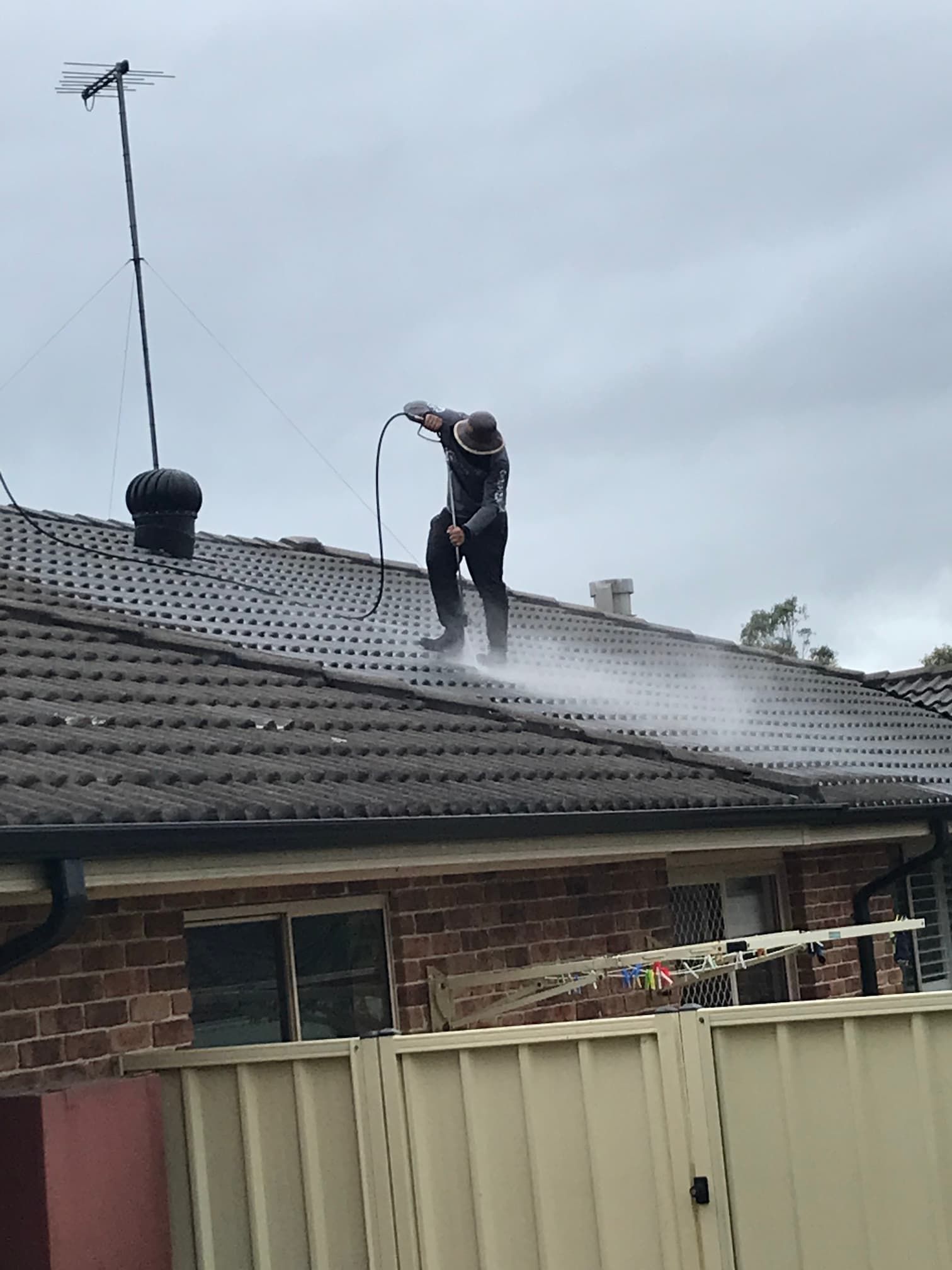
- High-pressure roof cleaning
- Replacing broken or damaged tiles
- Roof repointing and rebedding
- Minor roof repairs
- Sealing the roof surface
- Applying one or more coats of roof membrane or roof paint
The goal of a restoration is to fix wear and tear, improve performance, and make the roof look fresh again without needing to remove and replace the entire structure.
When Is A Roof Restoration A Good Option?
Roof restorations are generally best when the roof is still structurally sound but starting to show signs of age or cosmetic wear.
Signs A Roof Restoration May Be Suitable
A roof restoration may be the right choice if:
- Your roof has faded or peeling paint
- There are minor leaks or cracked pointing
- Some tiles are cracked or broken
- The roof looks old but is still structurally stable
- You want to improve street appeal before selling
- You want a more cost-effective alternative to replacement
A restoration is ideal when the main issues are surface-level or repairable, rather than major structural failures.
The Benefits Of Roof Restorations
There are several reasons homeowners choose to restore their roof instead of replacing it.
More Affordable Than Full Replacement
A restoration is usually significantly cheaper than installing a brand-new roof.
Improves Appearance
Fresh paint or roof coatings can dramatically improve the look of your home and instantly boost street appeal.
Extends Roof Lifespan
By addressing damage early and protecting the roof surface, a restoration can help extend the life of the roof by many years.
Improves Weather Resistance
A properly restored roof is better equipped to handle rain, UV exposure, and harsh Australian conditions.
Adds Value To The Home
A well-presented roof can make a big difference when it comes to resale value and buyer confidence.
What Is A Re-Roof?
A re-roof is more extensive than a roof restoration but not always the same as building a completely new roof from scratch.
In simple terms, a re-roof involves removing your existing roofing material and replacing it with new roofing material while keeping the existing roof frame or structure (assuming it is still in good condition).
This is commonly done when the roofing material itself has failed, but the supporting structure underneath is still usable.
What A Re-Roof May Include
A re-roof often involves:
- Removing old roof tiles or metal sheets
- Replacing roof battens if required
- Installing new sarking or insulation if needed
- Fitting brand-new roofing materials
- Replacing flashing, ridge caps, and accessories
A re-roof is often chosen when a roof is too worn or damaged for restoration but doesn’t require a complete structural rebuild.
When Is A Re-Roof A Good Option?
A re-roof is usually the right solution when the roof covering has reached the end of its life and repairs or restoration are no longer worthwhile.
Signs You May Need A Re-Roof
A re-roof may be the better option if:
- The roof has widespread leaks
- There is extensive rust or corrosion on a metal roof
- Many roof tiles are brittle, cracked, or failing
- The roof has been patched multiple times already
- The roof is very old and deteriorated
- Restoration would only be a short-term fix
If the roofing materials are simply too far gone, re-roofing is often the more practical and reliable long-term choice.
The Benefits Of A Re-Roof
A re-roof can provide a major upgrade without needing to completely rebuild the roof structure.
Brand-New Roofing Materials
You get the benefit of new roofing materials, which can improve both performance and appearance.
Better Long-Term Value
Although more expensive than a restoration, a re-roof can often save money over time by reducing the need for ongoing repairs.
Opportunity To Upgrade Materials
A re-roof gives you the option to switch materials, such as changing from old tiles to Colorbond or upgrading to more modern products.
Improved Protection
A new roofing system can significantly improve your home’s protection against leaks, storms, and harsh weather.
What Is A New Roof?
A new roof generally refers to a completely new roofing system, often installed on a new home or as part of a major rebuild or structural roof replacement.
Unlike a standard re-roof, a new roof may involve replacing not just the outer roofing material but also parts of the structural framework underneath if required.
A New Roof May Include
- New roof framing or structural timber
- New battens and roof supports
- New roof sheeting or tiles
- Sarking and insulation
- New flashing, gutters, and accessories
A new roof is the most extensive option and is usually required when there are serious structural concerns or when building from scratch.
When Is A New Roof Needed?
A new roof is generally only necessary when the roof structure itself is no longer safe, sound, or fit for purpose.
Situations That May Require A New Roof
You may need a new roof if:
- The roof frame has structural damage
- There is severe timber rot or termite damage
- The roof has major sagging or movement
- Storm or impact damage has compromised the structure
- You are building a home extension or major renovation
- The roof design is being changed entirely
In these situations, simply restoring or replacing the roof covering would not be enough.
Roof Restoration vs Re-Roof vs New Roof: What’s The Difference?
While all three options improve your roof, the scale of work and cost can vary significantly.
Roof Restoration
- Keeps your existing roof in place
- Focuses on repairs, cleaning, sealing, and coating
- Best for roofs that are ageing but still structurally sound
- Most affordable option
Re-Roof
- Replaces the roof covering only
- Retains the existing roof structure if it’s still in good condition
- Best for roofs with widespread material failure
- Mid-range investment
New Roof
- Replaces the entire roofing system, including structural components if required
- Best for severe damage or new construction
- Most expensive option
Which Option Is Best For Your Home?
There is no one-size-fits-all answer. The right solution depends on the condition of your roof and what you want to achieve.
A Roof Restoration May Be Best If:
- Your roof is structurally sound
- The main issues are cosmetic or minor damage
- You want to improve the look of the roof
- You want a more budget-friendly option
A Re-Roof May Be Best If:
- The roofing material is beyond repair
- Your roof has ongoing leak issues
- You want a long-term solution without changing the structure
A New Roof May Be Best If:
- There is major structural damage
- The roof frame needs replacing
- You are doing a major renovation or new build
The best way to know for sure is to have your roof professionally inspected.
What About Cost?
Cost is one of the biggest factors when choosing between a restoration, re-roof, or new roof.
While exact pricing depends on the size, pitch, access, materials, and condition of the roof, the general rule is:
- Roof restoration = lowest cost
- Re-roof = mid-range cost
- New roof = highest cost
It’s important to look beyond the upfront price and think about long-term value. Sometimes spending more now can save you from repeat repairs and bigger problems down the track.
Why Professional Advice Matters
It’s easy to assume you need a full replacement when your roof starts looking tired, but that’s not always the case. On the other hand, trying to restore a roof that is too far gone can also end up costing you more in the long run.
A professional roof inspection can help determine:
- Whether the roof is structurally sound
- How much life is left in the current materials
- Whether repairs are worthwhile
- Which option offers the best value for your home
Getting the right advice early can help you make a more informed and cost-effective decision.
Conclusion
When it comes to roof restorations vs re-roofs vs new roofs, the best option depends on the condition of your current roof and your long-term plans for the property.
If your roof is looking tired but still structurally sound, a restoration may be all you need to bring it back to life. If the roofing material has failed, a re-roof could be the better long-term solution. And if there are structural issues or major damage, a completely new roof may be necessary.
The key is not to guess. A professional inspection can help you understand exactly what your roof needs and whether a repair, restoration, re-roof, or full replacement is the smartest investment.
If your roof is showing signs of age, leaks, or damage, get in touch with Skibos Southwest Roofing.
Written by Nick from Skibo Southwest Roofing
Nick's been in the roofing game for more than 15 years and has extensive experience in everything from new roofs to reroofing, roof restorations, roof painting, roof repairs and much more.