What Do Whirlybirds Do?
If you’ve ever looked up at a rooftop and noticed a spinning, dome-shaped vent, you’ve probably seen a whirlybird in action. These simple yet effective devices are a common feature on Australian homes, especially in warmer climates where heat buildup in the roof space can become a real issue.
But what exactly do whirlybirds do, and are they worth installing on your home? In this guide, we’ll break down how whirlybirds work, the benefits they provide, and whether they’re the right solution for your roof.
What Is a Whirlybird?
A whirlybird, also known as a roof ventilator or turbine vent, is a wind-driven device installed on your roof to improve ventilation in the roof cavity.
It consists of:
- A spinning head (turbine)
- A central shaft
- A base that connects to the roof
As wind passes over the roof, it causes the turbine to spin. This spinning motion draws hot, stale air out of the roof space and replaces it with cooler outside air.
How Do Whirlybirds Work?
Whirlybirds operate using a combination of wind power and natural air movement.
When the turbine spins, it creates a vacuum effect inside the roof cavity. This pulls hot air, moisture, and trapped heat upwards and out through the vent.
At the same time, cooler air is drawn into the roof space through gaps such as:
- Eaves
- Soffit vents
- Small openings around the roof structure
This continuous airflow helps regulate the temperature inside your roof and prevents heat from building up.
One of the key advantages of whirlybirds is that they don’t require electricity — they rely entirely on natural airflow.
Why Does Roof Ventilation Matter?
Without proper ventilation, your roof space can become extremely hot — particularly during Australian summers.
Temperatures inside a poorly ventilated roof cavity can exceed 50–70°C, which can lead to a range of issues:
- Heat transferring into your home
- Increased reliance on air conditioning
- Higher energy bills
- Moisture buildup and condensation
- Mould and mildew growth
- Damage to insulation and roofing materials
Whirlybirds help prevent these problems by allowing hot air to escape before it affects your home.
Benefits of Installing Whirlybirds
1. Reduces Heat Build-Up
The primary function of a whirlybird is to remove hot air from your roof space.
By reducing the temperature in the roof cavity, less heat is transferred into your living areas — helping keep your home cooler.
2. Improves Energy Efficiency
With less heat entering your home, your air conditioning system doesn’t have to work as hard.
This can lead to:
- Lower energy consumption
- Reduced electricity bills
- Improved overall comfort
3. Helps Prevent Moisture and Mould
Whirlybirds don’t just remove heat — they also help remove moisture from your roof space.
This is especially important in areas with humidity or during cooler months when condensation can form.
By improving airflow, whirlybirds help reduce the risk of:
- Mould growth
- Timber rot
- Insulation damage
4. Extends Roof Lifespan
Excessive heat and moisture can cause roofing materials to deteriorate over time.
By keeping your roof cavity well-ventilated, whirlybirds can help extend the lifespan of:
- Roof tiles
- Metal roofing sheets
- Roof structure and framing
5. Quiet and Low Maintenance
Whirlybirds are designed to operate quietly, even when spinning at high speeds.
They also require very little maintenance, making them a simple and cost-effective ventilation solution.
Do Whirlybirds Work Without Wind?
Yes — although they are most effective in windy conditions, whirlybirds can still function when there is little to no wind.
This is because:
- Hot air naturally rises
- The design of the turbine allows for passive ventilation
- Even small air movements can cause the turbine to spin
However, their performance is significantly improved when there is consistent airflow across the roof.
How Many Whirlybirds Do You Need?
The number of whirlybirds required depends on several factors, including:
- The size of your roof space
- The layout of your home
- The level of ventilation already present
- Your local climate
As a general guide:
- Small homes may only need 1–2 whirlybirds
- Medium homes may require 2–3 units
- Larger homes may need 3 or more
A professional assessment is the best way to determine the right number for your property.
Are Whirlybirds Suitable for All Roof Types?
Whirlybirds can be installed on most roof types, including:
- Tile roofs
- Metal roofs (such as Colorbond)
However, proper installation is crucial to ensure:
- No leaks occur
- The unit is securely fitted
- Ventilation is effective
Working with experienced professionals ensures your whirlybird is installed correctly and performs as intended.
Whirlybirds vs Other Roof Ventilation Options
While whirlybirds are popular, they’re not the only ventilation solution available.
Other options include:
- Static vents
- Ridge vents
- Powered roof ventilators
Compared to these options, whirlybirds offer a balance of:
- Affordability
- Effectiveness
- Energy efficiency (no power required)
For many homeowners, they provide a simple and reliable solution without ongoing running costs.
When Should You Install Whirlybirds?
Whirlybirds can be installed at any time, but they’re especially beneficial if:
- Your home gets excessively hot in summer
- You rely heavily on air conditioning
- You’ve noticed condensation or mould in the roof space
- Your roof lacks proper ventilation
They’re also a great addition during roof restorations or when replacing roofing materials.
Are There Any Downsides?
While whirlybirds offer many benefits, there are a few considerations:
- They rely on wind for maximum performance
- Poor installation can lead to leaks
- In some cases, additional ventilation may still be needed
However, when installed correctly and used in the right conditions, these issues are minimal.
Do Whirlybirds Make a Difference?
For most homes, yes — whirlybirds can make a noticeable difference.
Homeowners often report:
- Cooler indoor temperatures
- Reduced reliance on air conditioning
- Improved comfort during hot weather
While they won’t replace insulation or air conditioning, they work alongside these systems to improve overall efficiency.
Conclusion
So, what do whirlybirds do?
In simple terms, they help remove hot air and moisture from your roof space, improving ventilation and keeping your home more comfortable.
They’re a cost-effective, low-maintenance solution that can make a real difference — particularly in Australia’s warm climate. By reducing heat buildup, improving airflow, and protecting your roof structure, whirlybirds are a smart addition to many homes.
If your home feels too hot or your roof space lacks ventilation, installing whirlybirds could be a simple upgrade that delivers long-term benefits.
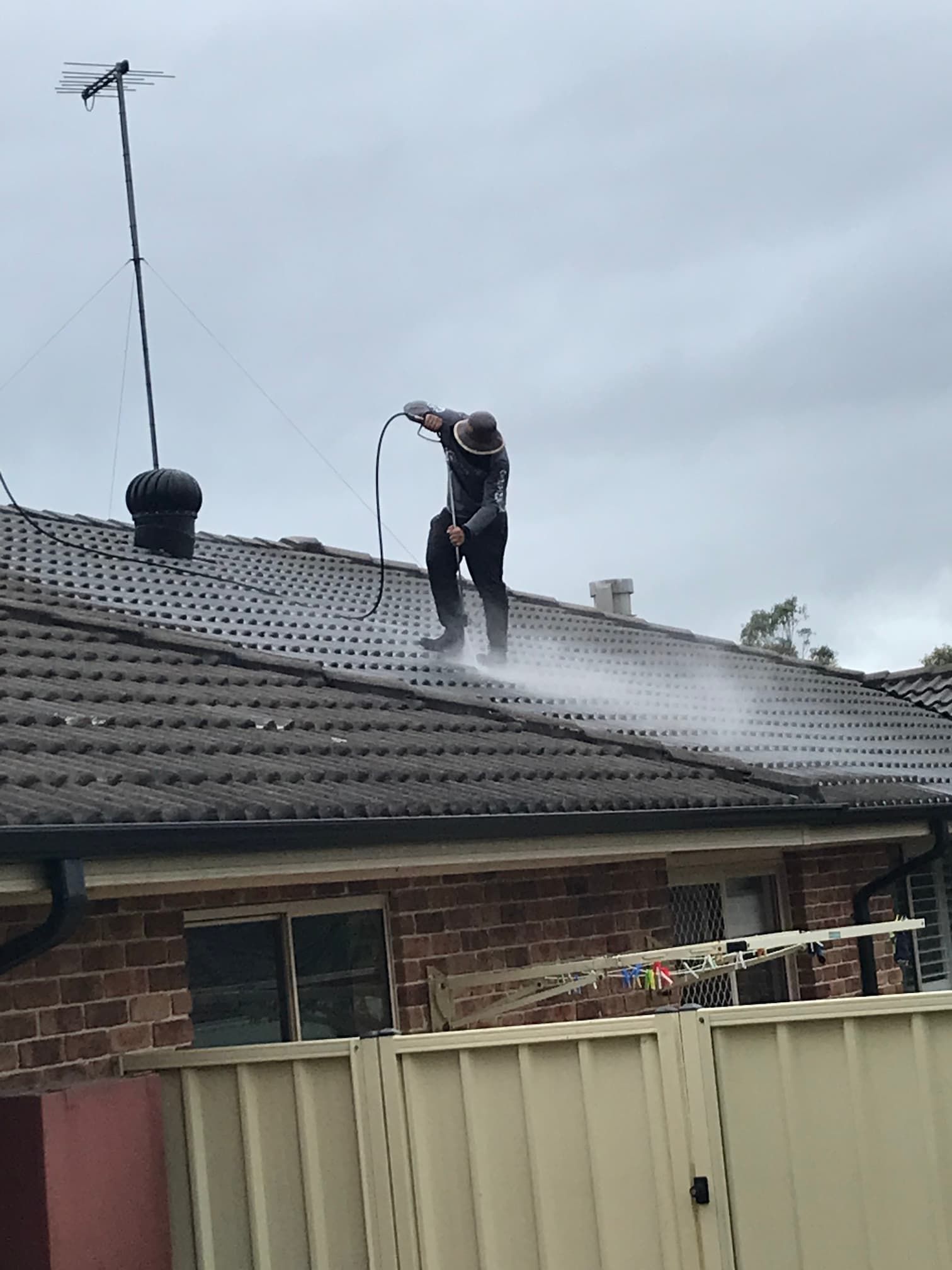
Written by Nick from Skibo Southwest Roofing
Nick's been in the roofing game for more than 15 years and has extensive experience in everything from new roofs to reroofing, roof restorations, roof painting, roof repairs and much more.