How Long Does a Roof Restoration Take?
If you've started noticing faded roof tiles, cracked ridge caps, or patches of moss spreading across your roof, you've probably begun looking into roof restoration. One of the first questions most homeowners ask us is, "How long is this going to take?"
It's a fair question. While everyone wants their roof looking like new again, they also want to know how long tradespeople will be on-site, whether the weather could cause delays, and what to expect throughout the process.
The simple answer is that most residential roof restorations take between two and five days. However, that's only a general guide. Every roof is different, and the time required depends on factors such as the size of the roof, its current condition, the roofing material, and even the weather during the restoration.
At Skibo Southwest Roofing, we've restored roofs across Campbelltown, Camden, Liverpool, Penrith and surrounding suburbs. Some homes have been completed in just two days because the roof was already in good condition, while others have taken almost a week after uncovering cracked tiles, deteriorated ridge caps or damage hidden beneath years of dirt and moss.
In this guide, we'll explain what actually happens during a roof restoration, what can affect the timeline, and why allowing the process to be completed properly leads to a longer-lasting result.
Why Every Roof Restoration Is Different
One of the biggest misconceptions about roof restoration is that every roof follows the same schedule. While the overall process is similar, no two roofs are exactly alike.
Before we even begin, we assess several important factors, including:
- The overall size of the roof
- Whether it's tiled or metal
- The pitch and accessibility
- Existing damage or leaks
- Previous repairs
- The amount of moss, lichen or debris
- Current weather conditions
For example, two homes may look almost identical from the street, but once the roof has been pressure cleaned, one could require only a handful of tile replacements while the other might reveal dozens of cracked tiles that weren't visible beforehand.
This is one of the reasons experienced roofing companies avoid promising unrealistically fast completion times before inspecting the roof properly.
What Happens Before the Restoration Begins?
Many people think the restoration starts when the pressure cleaner comes out, but a quality roof restoration actually begins well before that.
Before any work starts, we carefully inspect the roof to identify any issues that could affect the restoration or require repairs first.
During this inspection we look for:
- Broken or slipped roof tiles
- Rust or corrosion on metal roofing
- Loose ridge caps
- Cracked mortar
- Blocked valleys
- Signs of previous water leaks
- Damaged flashing
- Areas where roof coatings have completely worn away
Taking the time to identify these problems early helps us plan the restoration properly and prevents unexpected surprises later in the project.
A Typical Roof Restoration Timeline
Although every project is different, here's what a standard residential roof restoration usually looks like.
Day One – Inspection, Preparation and Roof Cleaning
The first day is all about preparation.
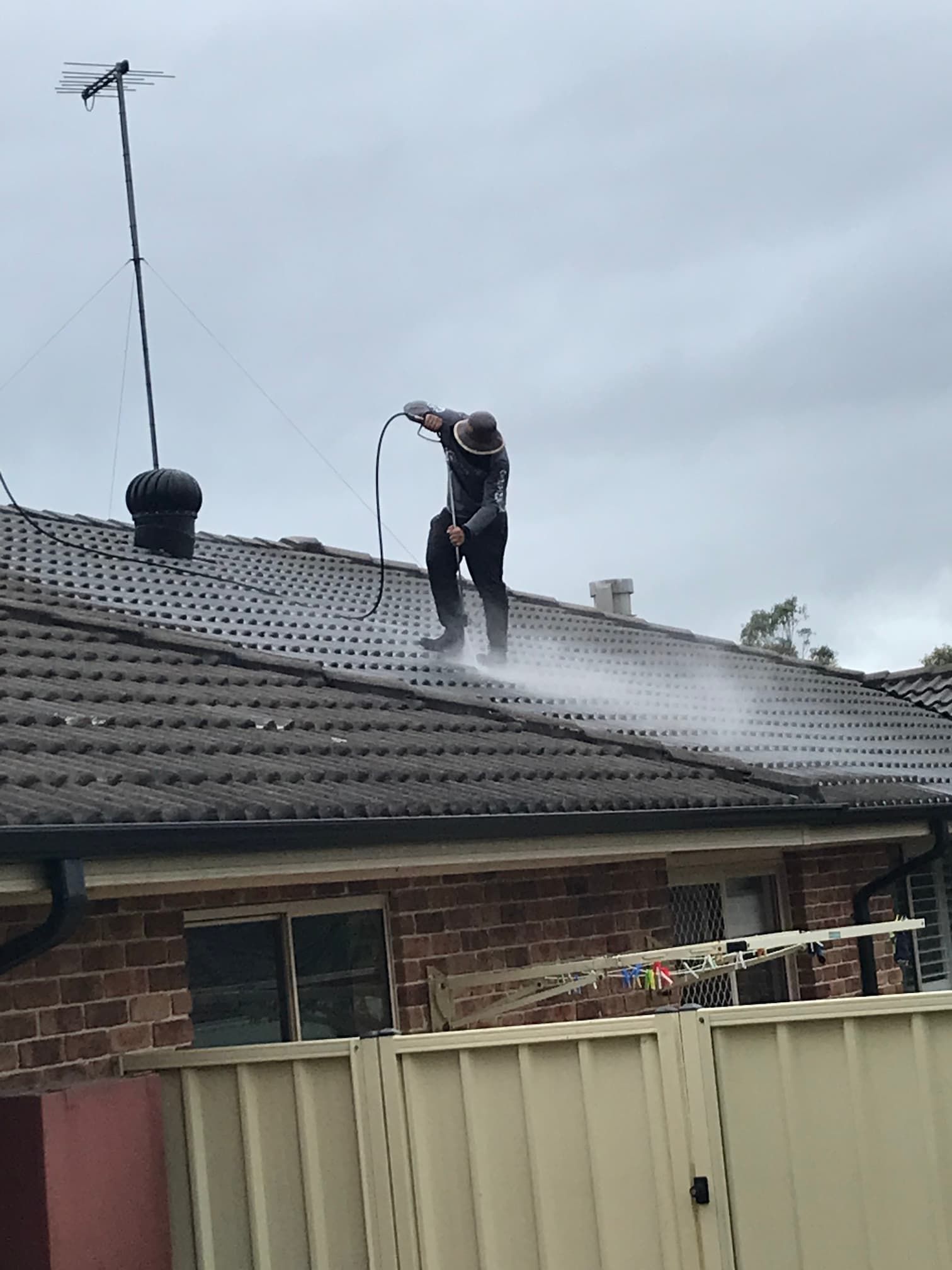
Once we've completed our inspection, the roof is thoroughly cleaned using commercial high-pressure equipment.
This stage removes years of built-up:
- Dirt
- Dust
- Moss
- Lichen
- Mould
- Bird droppings
- Loose paint
- Organic debris
Many homeowners are surprised by just how much cleaner their roof looks after this step alone.
More importantly, pressure cleaning allows us to inspect the roof properly. Dirt and moss often hide cracked tiles, deteriorated mortar and small leaks that simply aren't visible beforehand.
This is why we never recommend painting a roof without cleaning it first. Applying coatings over contamination significantly reduces how well the products bond to the roof surface.
Day Two – Repairs, Rebedding and Repointing
Once the roof has been cleaned and fully inspected, we move onto repairs.
This stage is where the quality of the restoration is often determined.
Rather than simply making the roof look better, we focus on ensuring it's structurally sound before any coatings are applied.
Depending on the roof, this may involve:
- Replacing broken roof tiles
- Repairing minor leaks
- Rebedding loose ridge caps
- Flexible repointing
- Replacing damaged flashing
- Fixing small sections of rust on metal roofs
One thing we've learnt after restoring hundreds of roofs throughout Southwest Sydney is that hidden damage is incredibly common.
It's not unusual to arrive expecting to replace ten cracked tiles, only to discover thirty or forty after the roof has been cleaned properly. While this can slightly extend the project, repairing these issues now prevents far more expensive problems down the track.
Day Three – Priming and Sealing
With repairs complete, the roof is prepared for its protective coating system.
This stage often doesn't receive much attention from homeowners, but it's one of the most important parts of the entire restoration.
Primers and sealers help:
- Improve adhesion
- Reduce moisture penetration
- Create a uniform surface
- Increase the lifespan of the coating system
Skipping or rushing this stage may save a few hours, but it can significantly reduce the durability of the finished restoration.
Professional roofing companies allow the recommended drying times before moving onto the next stage.
Days Four and Five – Applying the Roof Coating
The final stage is applying the roof coating or roof paint.
Rather than applying one thick coat, professional restorations generally involve multiple coats to achieve even coverage and long-term protection.
These coatings do much more than improve appearance.
Modern roof coatings help:
- Reflect UV rays
- Protect against harsh Australian weather
- Reduce surface deterioration
- Resist mould growth
- Improve water resistance
- Refresh faded roofs
Each coat requires adequate drying time before the next one can be applied.
This is one of the reasons why a proper roof restoration cannot usually be completed in a single day.
What Usually Causes Delays?
Homeowners often assume delays happen because roofing companies fall behind schedule.
In reality, the biggest cause of delays is something nobody can control — the weather.
Rain can interrupt almost every stage of the restoration process.
Pressure cleaning becomes less effective, repairs can become unsafe, and coatings simply shouldn't be applied to wet roofing materials.
High humidity can also increase drying times, even if it isn't raining.
Because of this, we always keep a close eye on the weather forecast before starting larger restoration projects. Waiting an extra day for suitable conditions often produces a much better result than trying to rush the work.
Roof Size Makes a Big Difference
A small single-storey home naturally takes much less time than a large family home with multiple roof sections.
Larger roofs require more time for:
- Cleaning
- Repairs
- Ridge cap work
- Priming
- Multiple coating applications
- Final inspections
The complexity of the roof also matters.
Roofs with multiple valleys, dormer windows, skylights, solar panels or steep pitches require additional care, even if the overall size isn't particularly large.
Experienced roofing contractors plan around these challenges to ensure every section receives the same attention to detail.
Can You Stay Home During a Roof Restoration?
One question we hear regularly is whether homeowners need to move out while the work is being completed.
In almost every case, the answer is no.
Roof restorations are completed externally, meaning you can continue living in your home throughout the project.
You'll hear pressure cleaning equipment and people working on the roof during the day, but there is generally very little disruption inside the house.
The only exception may be if significant structural repairs are required, which is relatively uncommon during a standard roof restoration.
Does the Type of Roof Affect the Restoration Time?
Yes, the type of roof you have can make a noticeable difference to how long the restoration takes.
Concrete Tile Roofs
Concrete tile roofs are one of the most common roofing styles throughout Southwest Sydney. While they're extremely durable, they often require additional preparation before painting.
Over time, concrete tiles become porous and can collect moss, lichen and dirt deep within the surface. They also commonly develop cracked ridge capping or loose mortar that needs to be repaired before coatings are applied.
These extra preparation steps can add time to the project, but they're essential for achieving a restoration that lasts.
Terracotta Tile Roofs
Terracotta roofs are known for their longevity, but they need to be handled carefully.
Unlike concrete tiles, damaged terracotta tiles can be more difficult to source depending on the age of the home. If replacement tiles are required, this can sometimes extend the restoration schedule.
Metal Roofs
Metal roofs generally don't require rebedding or repointing, but they often need different preparation.
Depending on the roof's condition, this may include:
- Rust treatment
- Replacing damaged screws
- Resealing flashings
- Applying specialised metal primers
Although the restoration process differs slightly, most metal roof restorations are completed within a similar timeframe to tiled roofs.
Why We Never Rush a Roof Restoration
It's understandable that homeowners want the project completed as quickly as possible, especially if they're preparing to sell their home or have other renovations planned.
However, a quality roof restoration isn't simply about making the roof look better.
Every stage builds on the one before it.
If repairs aren't completed properly, coatings won't hide the underlying problems.
If the roof isn't cleaned thoroughly, paint won't bond correctly.
If coatings don't have enough time to dry, their durability can be significantly reduced.
We've seen roofs where shortcuts were taken by previous contractors, and unfortunately those roofs often require another restoration much sooner than they should.
Taking an extra day to complete the work properly is far better than having to repair peeling coatings or recurring leaks just a few years later.
Can a Roof Restoration Be Completed in One Day?
In most cases, no.
Sometimes you'll see advertisements promoting one-day roof restorations, but it's important to understand exactly what's being offered.
A genuine roof restoration involves multiple stages:
- Inspection
- High-pressure cleaning
- Repairs
- Rebedding and repointing (where required)
- Priming
- Multiple protective coatings
- Drying time between each stage
Trying to complete all of these steps in a single day simply doesn't allow enough time for the products to perform as intended.
If someone promises to restore an average-sized roof in just one day, it's worth asking exactly which parts of the process are being skipped.
What Homeowners Can Do Before We Arrive
While most of the work is handled by our team, there are a few simple things homeowners can do to help the project run smoothly.
Before restoration begins, it's helpful to:
- Move vehicles away from the work area.
- Remove outdoor furniture from around the home.
- Secure pets inside or away from the work zone.
- Let neighbours know pressure cleaning will be taking place.
- Trim back any branches restricting roof access.
These small preparations help us get started quickly and work safely throughout the project.
Does the Weather Really Make That Much Difference?
Absolutely.
Weather is one of the few factors that can genuinely affect the restoration schedule.
Rain is the most obvious issue, but it's not the only one.
High humidity can slow drying times between coats, while strong winds can make it unsafe to work on steeper roofs and may affect the application of roof coatings.
Summer heat can also influence the process. Extremely hot days may require adjustments to application times so coatings cure correctly rather than drying too quickly.
Rather than trying to work around poor conditions, we'll always recommend waiting for suitable weather if it means achieving a better long-term result.
Roof Restoration vs Roof Replacement
Many homeowners aren't sure whether they need a restoration or a completely new roof.
The good news is that if your roof structure is still in good condition, restoration is often the faster and far more affordable option.
A typical roof restoration usually takes around 2 to 5 days.
A full roof replacement can take one to two weeks, and sometimes longer for larger or more complex homes.
A replacement also involves removing the existing roof, disposing of old materials and installing an entirely new roofing system.
For roofs that are structurally sound but showing signs of ageing, restoration is often the smarter investment.
Signs It Might Be Time to Restore Your Roof
Not every ageing roof needs replacing.
In many cases, restoring the roof early can prevent more expensive repairs later.
Some common signs include:
- Roof paint is faded or peeling.
- Moss or lichen continues to return.
- Ridge caps are cracked or loose.
- Several roof tiles are broken.
- Minor leaks appear during heavy rain.
- Your roof simply looks tired compared to neighbouring homes.
One piece of advice we often give homeowners is not to wait until water starts entering the house.
Many roof issues begin externally long before they become visible inside. Restoring the roof at the right time can add many years to its lifespan while helping avoid costly structural repairs.
Is a Roof Restoration Worth the Wait?
Without question.
While a few days might seem like a significant project, the benefits continue long after the scaffolding has been packed away.
A professionally restored roof can:
- Extend the life of your existing roof.
- Improve your home's street appeal.
- Help prevent future leaks.
- Protect roofing materials from the harsh Australian climate.
- Increase buyer appeal if you're planning to sell.
- Save thousands compared to premature roof replacement.
For most homeowners, it's one of the best investments they can make in maintaining the value and appearance of their property.
Conclusion
So, how long does a roof restoration take?
For most homes, you can expect the process to take between two and five days, although every roof is unique. Factors such as the size of your roof, its condition, the type of roofing material and the weather all play a role in determining the final timeline.
At Skibo Southwest Roofing, we believe it's far better to complete the job properly than to rush through it. Careful preparation, quality repairs and allowing each coating to cure correctly are what produce a roof that not only looks fantastic but continues protecting your home for many years to come.
If you're considering a roof restoration and would like honest advice about your roof's condition, we'd be happy to help.
Whether you're in Campbelltown, Camden, Liverpool, Penrith, Narellan, Oran Park or anywhere across Southwest Sydney, our experienced team can inspect your roof, explain exactly what's required and provide a detailed, obligation-free quote.
A professionally restored roof is an investment in your home's future—and when it's done properly, it's well worth the few days it takes.
Written by Nick from Skibo Southwest Roofing
Nick's been in the roofing game for more than 15 years and has extensive experience in everything from new roofs to reroofing, roof restorations, roof painting, roof repairs and much more.